
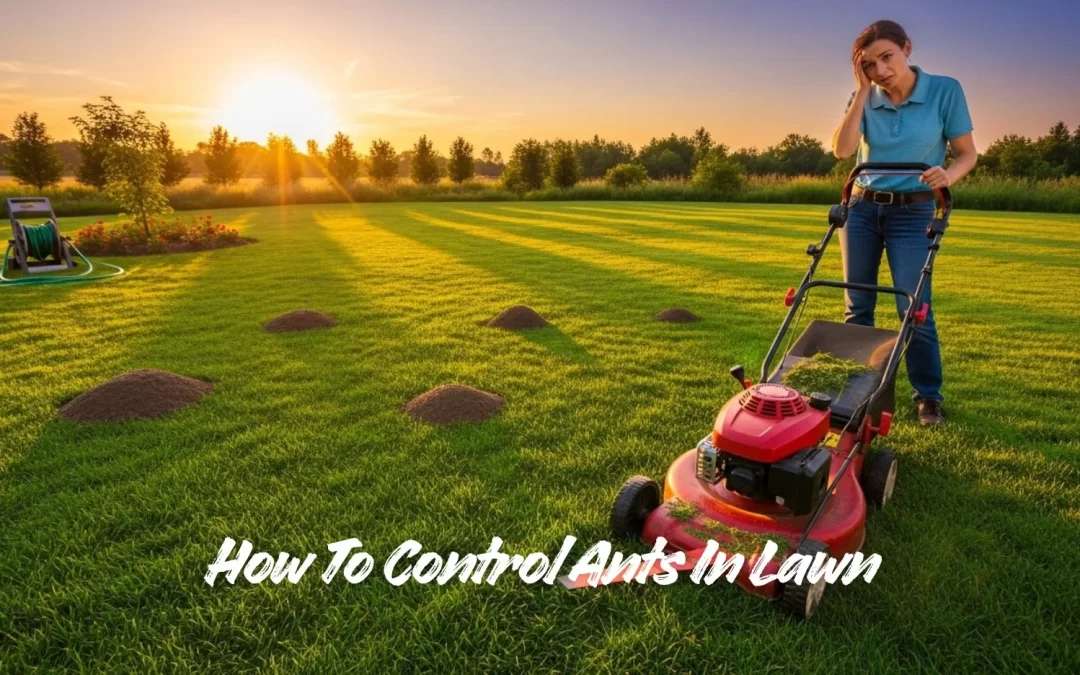
You see small mounds in your lawn and think, “Do I have an ant problem?” The truth is, most lawns have some ants. In small numbers, they help your soil breathe. But when ant hills spread across your yard or disrupt mowing, it’s time to act. This guide shows you safe, simple ways to control ants without ruining your grass.
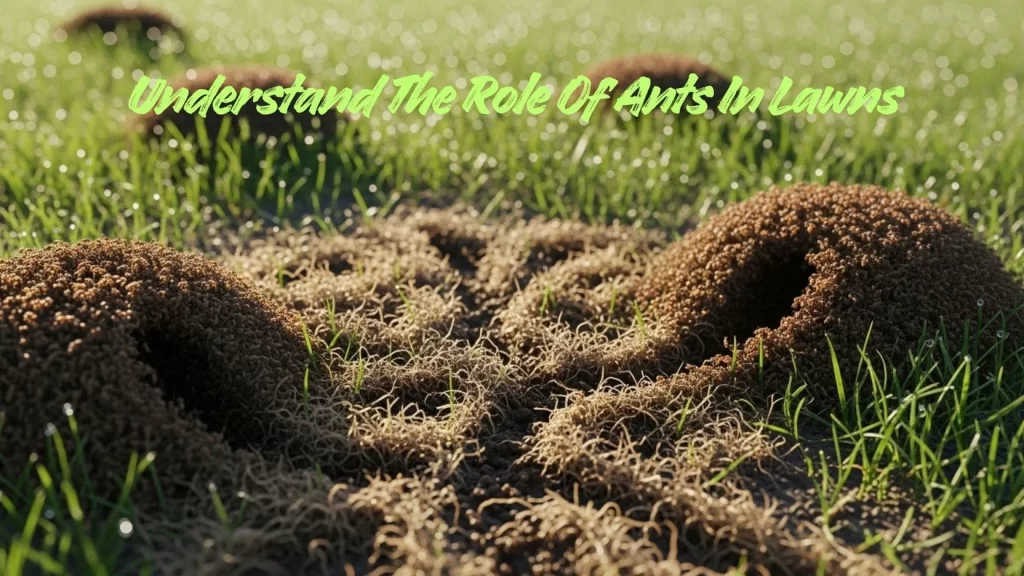
Understand The Role Of Ants In Lawns
Ants aren’t all bad. They loosen soil, which helps air and water reach grass roots. But too many ants can cause uneven patches, bare spots, and unsightly mounds. According to Michigan State University Extension, most turf ants are harmless unless mounds get large enough to disturb mowing or play areas.
“I used to think ants meant my lawn was dying,” says one homeowner. “Now I know they can actually help—until they take over.”
Step 1: Start With Prevention And Lawn Health
A strong lawn discourages ants from settling in. Keep grass dense and roots deep. Water less often but soak deeply when you do. Mow at the right height for your grass type. Remove piles of wood or debris, and trim plants touching your home.
The Penn State Extension suggests simple IPM steps first: fix moisture issues, seal cracks, and keep your lawn clean. Healthy turf leaves few places for ants to nest.
“A thick, well-kept lawn gives ants fewer places to hide,” says a pest specialist interviewed by LawnStarter.
Step 2: Try Natural And Mechanical Methods
If you want to avoid chemicals, start small. Pouring boiling water directly on a mound can kill ants on contact. Be careful around grass roots and pets. You can also mix a few drops of dish soap in a gallon of water and pour it into hills to break up nests.
For a dry option, sprinkle diatomaceous earth around visible trails or mounds. It dehydrates ants but is safe for lawns. Another gentle trick is a borax and sugar bait. Mix one part borax with three parts sugar and place it near trails, away from children and pets. The sugar draws ants in; the borax kills the colony slowly.
According to Gardening Know How, these home treatments work best for small infestations when used regularly.
Step 3: Use Baits And Targeted Insecticides
When natural fixes aren’t enough, bait stations or granular baits are your next move. Ants take the bait back to their colony, reaching the queen and ending the cycle. Place baits near visible ant activity, especially in early morning or evening when ants forage.
North Dakota State University notes that bait results take a few days to a week, so patience is key. Avoid using sprays near bait areas because sprays can repel ants before they pick up the poison.
If colonies are large or deep, use an insecticide labeled for lawn ants. Choose products with bifenthrin or carbaryl for spot treatments. Always read the label and follow directions carefully. Never over-treat the entire lawn unless the infestation is severe.
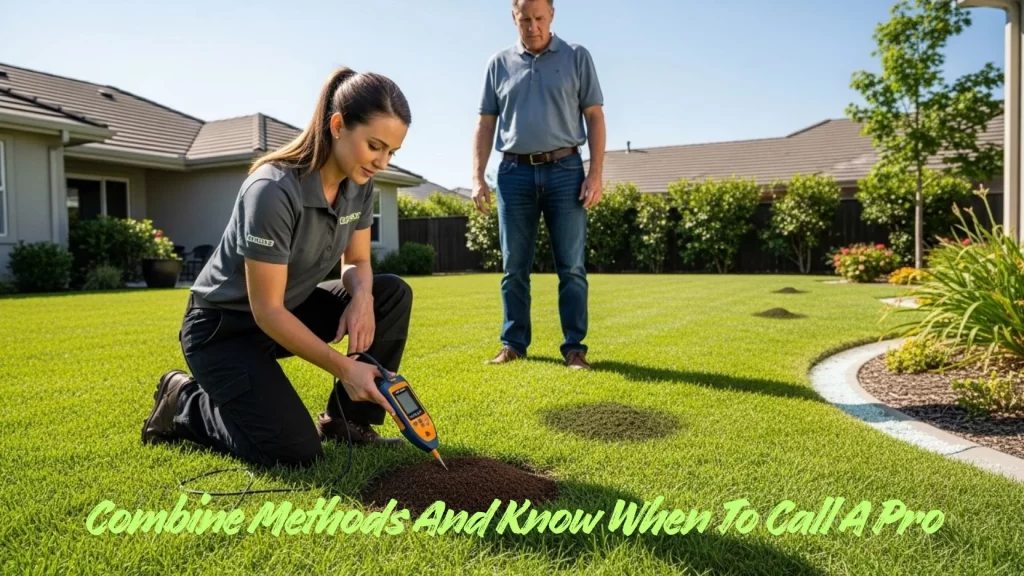
Step 4: Combine Methods And Know When To Call A Pro
Integrated pest management (IPM) combines prevention, natural remedies, and targeted treatments. This method works better long-term and reduces chemical exposure. ResearchGate reports that combining baiting and habitat control can match the success of full chemical use while protecting the environment.
But if ants keep coming back or you spot aggressive types like fire ants, call a licensed pest control service. They can identify the species and apply deeper treatments safely.
Conclusion
Ants in your lawn don’t always mean trouble. A few can help your soil, but too many make your lawn uneven and messy. Start with prevention, then try simple natural fixes. Use baits if needed and bring in help when the problem grows. A little consistency keeps your yard safe, clean, and green.