

If you see large black ants around your walls or trees, you might have carpenter ants. They can hollow out wood to build nests. Over time, this can weaken parts of your home. The good news is you can manage them. With a few clear steps, you can stop them before they cause real damage.
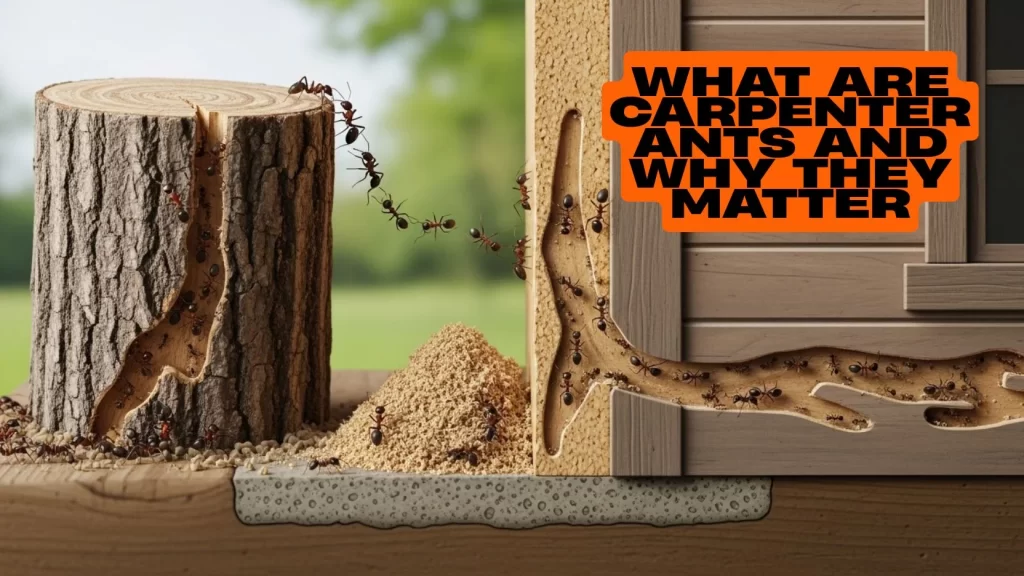
What Are Carpenter Ants And Why They Matter
Carpenter ants don’t eat wood. They chew it to make tunnels for nesting. These tunnels can spread through your walls, decks, and even attic beams. You might notice sawdust-like debris or hear faint rustling in your walls. That’s a sign they’re active. According to NC State University, most colonies start outside in logs or stumps, then move indoors to build satellite nests.
“These ants don’t eat your home like termites, but they can still cause serious harm if ignored,” says a pest expert from Nebraska Extension.
Step One: Prevention – Keep Them Out
Prevention is your best defense. Carpenter ants love moisture and decayed wood. Fix leaks under sinks and in roofs. Clean gutters and keep firewood away from the house. Trim tree branches that touch your home. These small steps make a big difference.
“The single best thing you can do is remove wet wood they like to nest in,” says one homeowner quoted in a Texas A&M IPM guide. Sealing cracks and keeping food sealed also helps reduce attraction.
Step Two: Find The Nest And Ant Trails
To stop carpenter ants, you must find where they live. Watch for ant trails at dusk or night. They often move between trees and your house. Follow their trail to look for a nest. Piles of sawdust near wood or faint noises inside walls are good clues. CAES Field Report explains that the main nest is often outside, with smaller ones indoors.
“If you spot sawdust near a wall, you likely found their home base,” notes a pest technician.
Step Three: DIY Control Methods
You can use two main methods: baits and sprays/dusts.
Baits: Place them near trails where ants travel. Choose the right type for carpenter ants, usually sweet or protein-based. Be patient. It can take a few weeks for the colony to decline. University of Tennessee notes that bait success varies with season and food type.
Sprays or Dusts: These work better for nests you can reach. Use products labeled for carpenter ants, such as those with fipronil or boric acid. Apply carefully into cracks or voids. Rutgers University recommends drilling small holes to treat wall voids only if you are sure of the nest’s location.
“I placed bait near my kitchen trail and within days, the ants were gone,” says a homeowner who handled a small infestation herself.
Always read and follow product labels. Wear gloves and keep kids and pets away while applying.
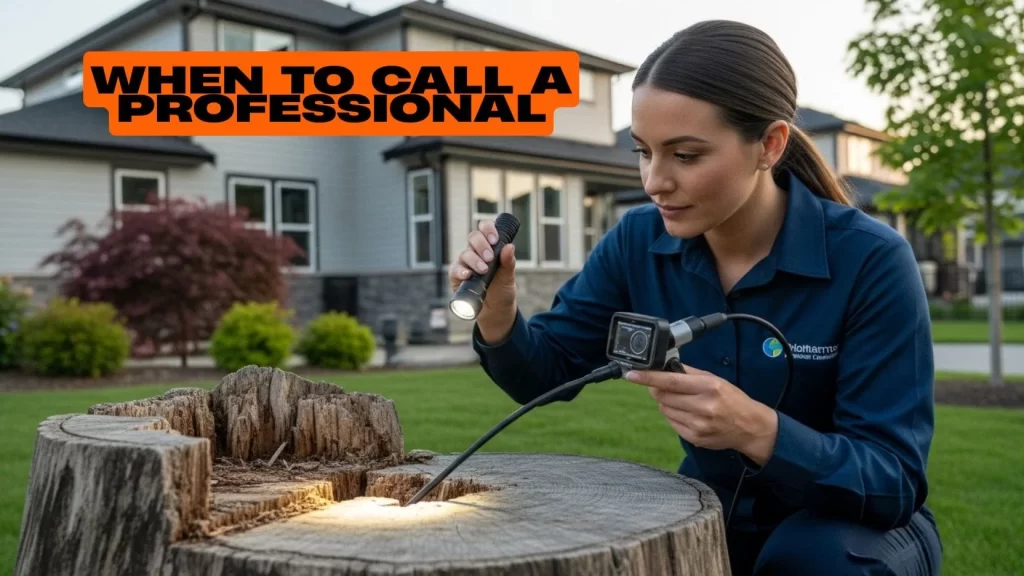
When To Call A Professional
If you can’t find the nest, or the problem keeps coming back, it’s time to call a pest control pro. They can locate the parent colony outdoors and use safe, targeted treatments. Nebraska Extension suggests this can save time and prevent repeat issues.
Hiring help doesn’t mean failure. It’s a smart step to protect your home from more costly repairs later.
Conclusion
Carpenter ants are strong builders but poor house guests. By fixing moisture problems, removing decayed wood, and using baits or treatments wisely, you can stop them. The key is finding and treating the nest. Check around your home this week and take one simple step today to keep it safe.